Selected work · Physician research · 2025 and 2026

Building an annual physician research program.

The Toolkit had already become a place where independent primary care physicians shared what running a practice looked like. I wanted its annual software coverage to do more than repeat opinions or vendor claims. The work became a two-year research program built around a practical question: how do physicians choose the systems their practices depend on, and what do those choices mean once the software is in daily use?

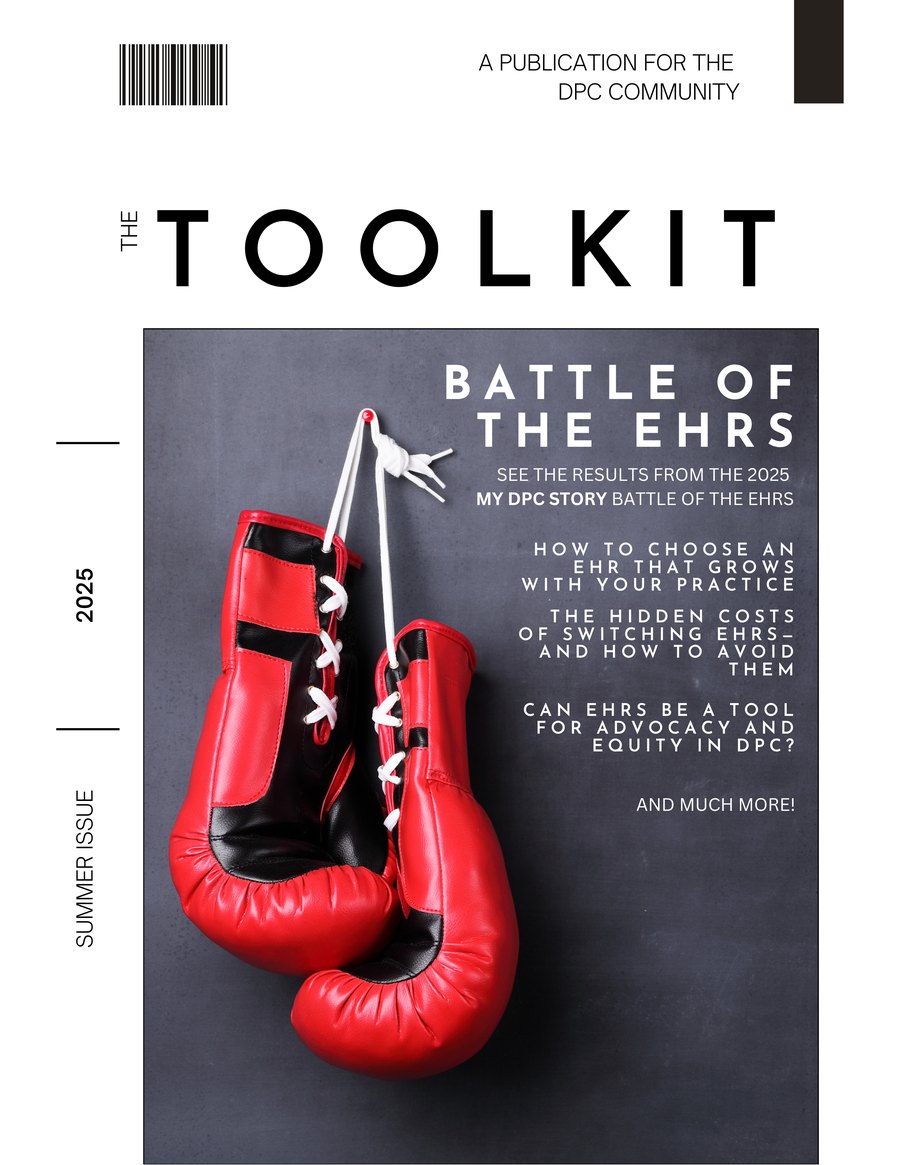
Cover of The Toolkit Summer 2025 issue, Battle of the EHRs
Summer 2025
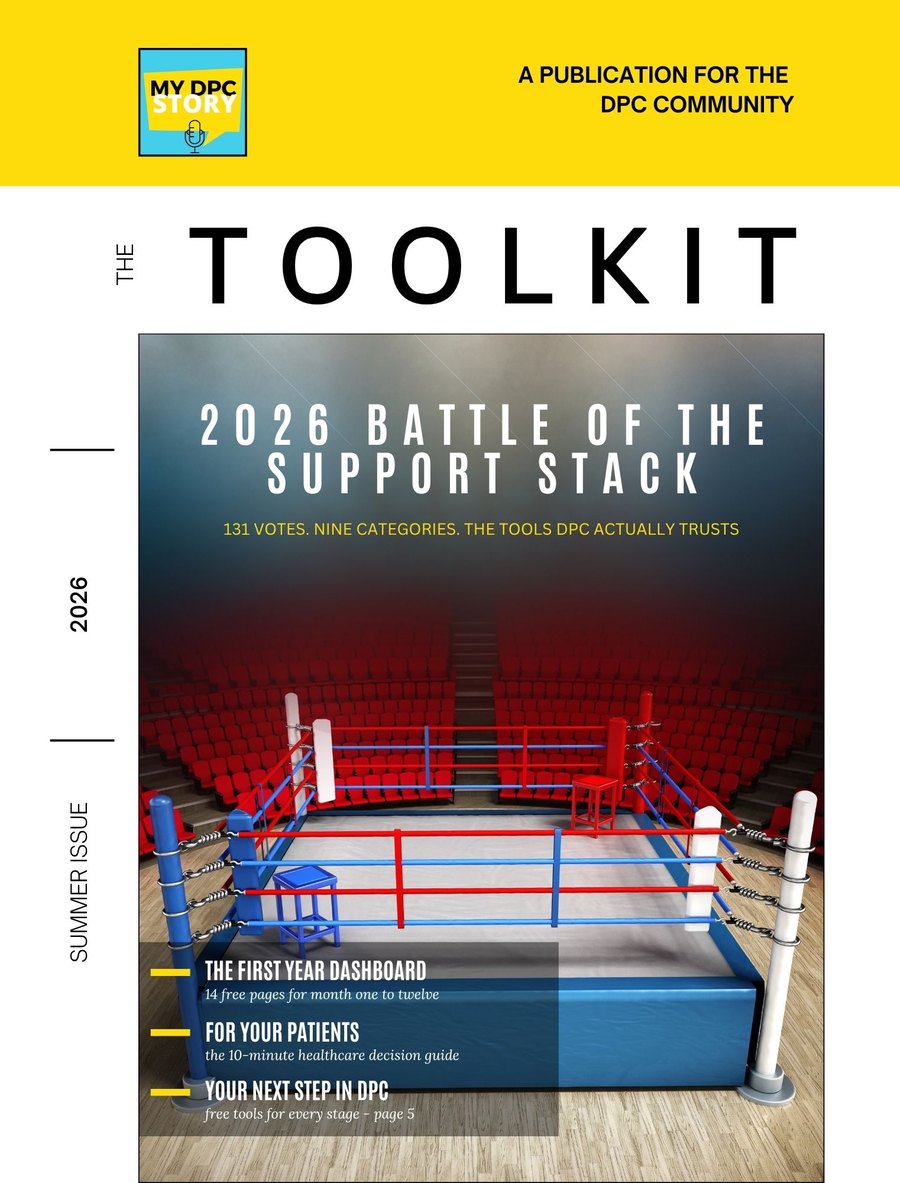
Cover of The Toolkit Summer 2026 issue, Battle of the Support Stack
Summer 2026
Role
Research & Editorial Lead
Publication
The Toolkit, My DPC Story
Owned
Survey design, methodology, data analysis, research direction, and editorial interpretation

Software choices are operating decisions, not feature comparisons.

In direct primary care, the physician is often also the person choosing, paying for, and working inside the technology. A software decision can affect the practice's cost structure, the team's workload, and how patients reach their doctor.

For The Toolkit, the challenge was to make software coverage specific enough to reflect the realities of small independent practices. The findings needed to help a physician make a decision without presenting a survey sample as the entire market. And because the publication works with industry partners, the rules separating sponsorship from research outcomes needed to be visible.

The assignment was not simply to run a poll. It was to create a credible decision resource that physicians could interpret in the context of their own practice.

214core survey responses in 2025
70optional deep-dive responses in 2025
131practicing DPC physicians in 2026
9software and support categories in 2026

Treat the work as a repeatable research program.

Instead of building two unrelated magazine features, I created a process that could begin with a real practice decision and end with evidence, interpretation, and tools a physician could use.

Each survey started with the operating questions behind the purchase. Maryal Concepcion, MD, FAAFP reviewed the instruments for relevance to DPC physicians and contributed questions and suggestions. I led the survey design, methodology, analysis, research direction, and editorial interpretation.

  1. Define the decisionStart with what a physician is trying to choose or solve.
  2. Review relevanceTest the questions against day-to-day DPC practice.
  3. Collect and segmentOrganize responses by the context that could change their meaning.
  4. Interpret within limitsSeparate useful patterns from claims the sample cannot support.
  5. Publish the evidenceTurn findings into analysis, methodology, and practical tools.

The second year expanded the question, not just the format.

The 2025 study examined the central system inside a DPC practice. The 2026 study widened the lens to the rest of the operating stack and made the voting and tie rules explicit.

Summer 2025

Battle of the EHRs

Which EHRs did respondents use, where did those systems work well, and where did they create friction?

Evidence
A 17-question core survey with 214 responses, plus an optional 70-response deep dive into portals, billing, labs, automations, and mobile tools.
Analysis
Findings organized by practice size, years operating, and region, with attention to satisfaction, pain points, and workflow needs.
Editorial package
Overall findings, an early-stage versus scaling analysis, a four-practice comparison framework, and an EHR evaluation rubric.
View Summer 2025

Summer 2026

Battle of the Support Stack

Which non-EHR tools did practicing DPC physicians rely on across the work of running a practice?

Evidence
Ballots from 131 practicing DPC physicians across nine categories, including billing, communication, labs, HR, AI, and operations.
Analysis
Votes combined with ease-of-use, value, and recommendation ratings, written comments, and cuts by practice size and years in DPC.
Editorial package
Category results, methodology, tool profiles, and published winner and tie-breaker rules so readers could see how conclusions were reached.
View Summer 2026

I owned the system that made the findings useful and publishable.

The work sat across research, editorial strategy, and healthcare marketing. My responsibility was to connect those disciplines without letting any one of them distort the evidence.

Survey architecture

Translated practice decisions into questions and response options, including a core instrument and an optional deeper layer when the subject required it.

Method and analysis

Defined useful segments, prepared and analyzed responses, and kept the conclusions inside what the samples could reasonably support.

Editorial interpretation

Identified the patterns worth explaining and developed the analyses, comparison frameworks, and decision tools around them.

Editorial safeguards

Documented limitations, made ranking rules visible, and maintained a clear boundary between commercial participation and editorial outcomes.

Three rules held across both studies: explain what the survey could and could not say, credit the people who shaped it, and settle how commercial relationships would be handled before the findings were published.

  • Question reviewMaryal reviewed both survey instruments for relevance to DPC physicians and contributed questions and suggestions.
  • Vendor boundariesFor the 2025 issue, vendors did not receive aggregate rankings before publication and could not edit the analysis. Any vendor responses included in the issue were labeled.
  • Ranking rulesFor the 2026 issue, no paid placement or weighted ballot determined the rankings. Winner and tie-breaker rules were documented for readers.

The work became a repeatable annual research program.

The Toolkit now has a repeatable way to examine the technology decisions independent physicians make, with original evidence at the center of the coverage.

A recurring research format

The program moved from one EHR study to a broader support-stack study without losing its focus on practice context and decision usefulness.

Original editorial evidence

The publication could build its analysis around responses from its own DPC audience rather than repackaging vendor narratives.

A practical reader product

Survey results became segmented analysis, comparison frameworks, methodology, and tools that physicians could apply to their own choices.

Interpretation note

These findings describe each study’s respondents. They are not estimates of the entire DPC market, and the difference in response counts between 2025 and 2026 should not be interpreted as a trend.

See the published work and attribution.

The official publication pages preserve the methodology bylines, research credits, and final editorial packages. The printed PDFs remain unchanged as the original archive.

This is the kind of work I want to keep doing: finding a healthcare decision that matters, building a fair way to examine it, and turning the result into something people can use.